

What to Eat in Dominican Republic
Dominican food blends Spanish, African, and Taíno influences into a cuisine locals eat every day. From a breakfast of mangú to the national plate La Bandera, here’s what to order at comedores, beach shacks, and street stalls - the dishes worth trying from morning to night.
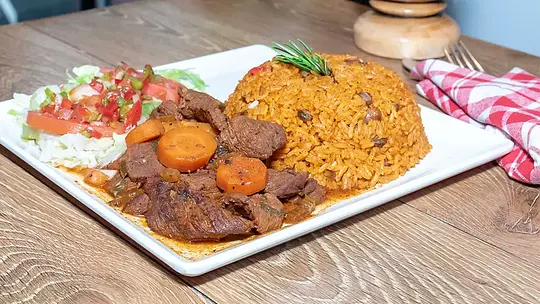
La Bandera - The National Dish
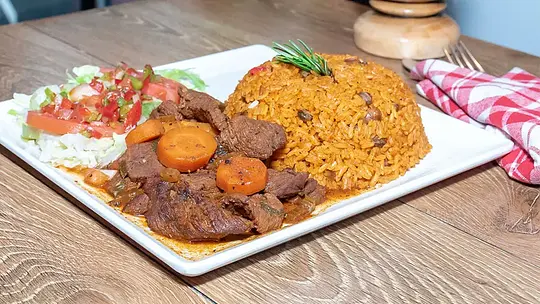
Rice, beans, meat, salad - the plate that lands on every table at 1-2 PM.
What’s in it:
- White rice - fluffy and perfectly cooked
- Red beans stewed with sofrito (peppers, onions, garlic, cilantro) until creamy
- Stewed meat - usually chicken, sometimes pork, beef, or fish
- Fresh salad - shredded cabbage, tomatoes, avocado
Sometimes fried plantains, sometimes yuca. Always filling.
Why it’s the national dish: the combination delivers complete protein, carbs, and nutrients in one plate. Farm workers, construction crews, office staff - everyone eats La Bandera for lunch.
Where to find it: any comedor (a local eatery). Look for handwritten menus and a room full of locals.
After a morning of buggy trails through the mountains, guides stop at comedores for exactly this.
Mangú and Los Tres Golpes - The Dominican Breakfast
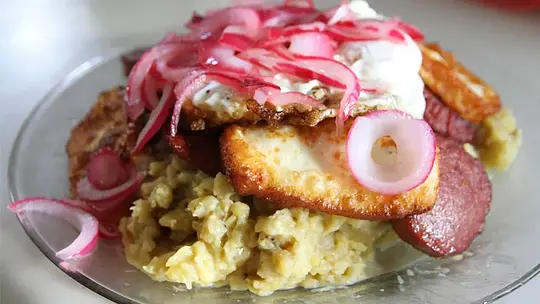
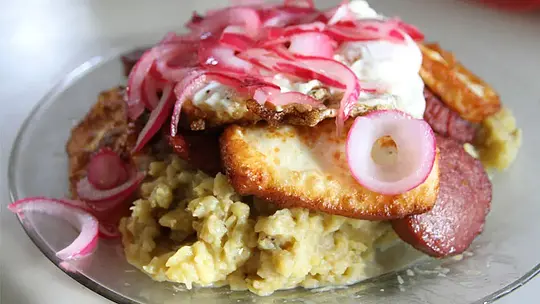
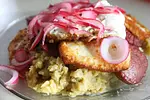
Mashed green plantains topped with red onions sautéed in vinegar, served with fried cheese, fried salami, and fried eggs. It sounds odd and tastes excellent.
The formula: boil green plantains, mash with butter and water, top with tangy pickled red onions, then add “los tres golpes” (the three hits): cheese, salami, eggs.
Texture: like mashed potatoes but denser, with the onions cutting through the richness.
When it’s eaten: every morning. Breakfast spots serve it until about 11 AM, then switch to La Bandera.
Pro tip: ask for extra onions. They make it.
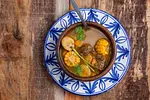
Sancocho - The Big-Occasion Stew
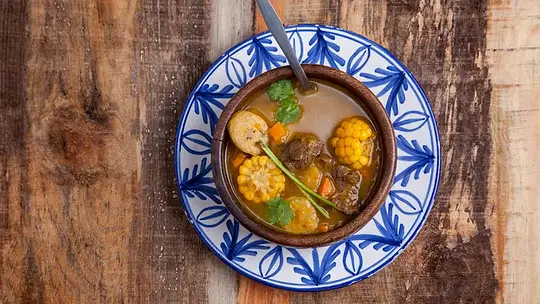
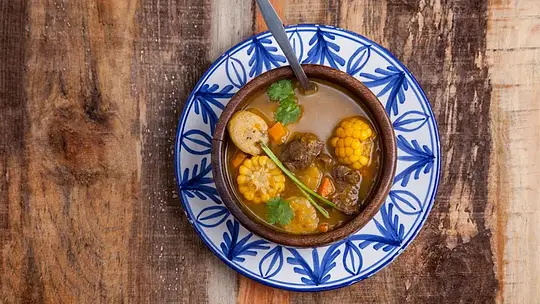
A seven-meat stew that defines home cooking here - chicken, pork, beef, goat, whatever’s on hand, plus yuca, plantains, corn, and yautía (taro), all stewed for hours until everything falls apart.
When it’s made:
- Sundays
- Celebrations
- Hangovers
- When grandma visits
Why it’s special: it takes three to four hours minimum - you don’t rush it. The broth turns incredibly rich as the collagen from the bones breaks down. Served with white rice and avocado on the side, and a squeeze of lime over the top.
Where to find it: weekend markets, family spots, anywhere advertising “Sancocho Domingo” (Sunday sancocho).
Street Food Worth Trying
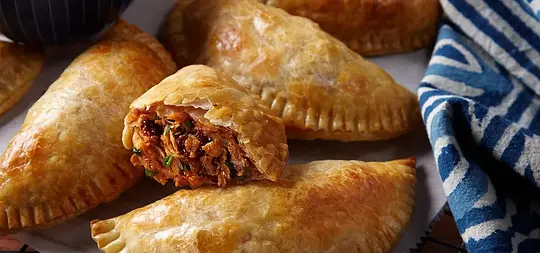
Street food here isn’t fancy. It’s fried, fast, and sold from windows and beach carts - and it’s some of the best eating you’ll do.
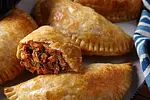
Empanadas and Pastelitos
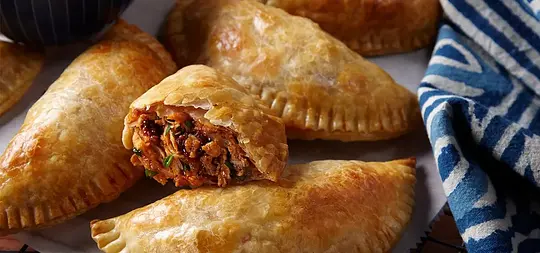
Fried pastry pockets filled with ground beef, cheese, chicken, or guava paste. The difference: empanadas use wheat-flour dough, pastelitos use cassava/yuca dough (crispier). Sold everywhere - beach vendors, colmados (corner stores), roadside stands. Fresh batch beats old batch, so ask “¿Están calientes?” (are they hot?).
Yaroa
Santiago’s gift to late-night eaters, and pure street food. Layers of french fries, then ground beef or chicken, cheese, ketchup/mayo/mustard, and more cheese, served in a foam container and eaten with a plastic fork. It tastes exactly like late-night food should.
Chicharrón
Fried chunks of meat, in two forms: chicharrón de cerdo (pork) and chicharrón de pollo (fried chicken chunks). Sold by weight, with tostones (fried plantain slices) or yuca frita on the side.
After horseback riding at sunset, beach vendors sell chicharrón de pollo from coolers, and it hits different on the sand.
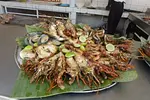
Seafood - Straight From the Ocean
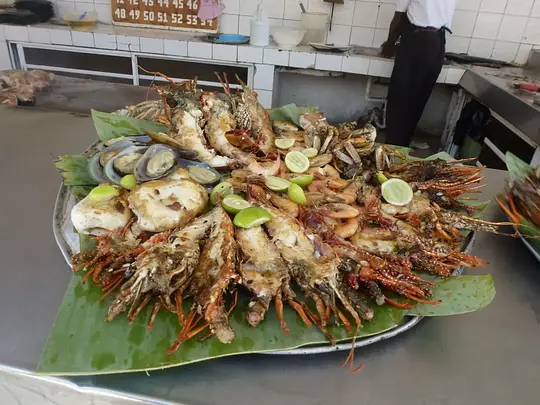
Puerto Plata is a coastal city, so fresh fish is everywhere.
Pescado Frito
Whole fried fish, usually red snapper or tilapia, on the menu at every beach restaurant. Fried crispy and served with tostones, rice, and salad. The Dominican way: eat everything, pick the bones clean - the head has the best meat.
Langosta (Caribbean Lobster)
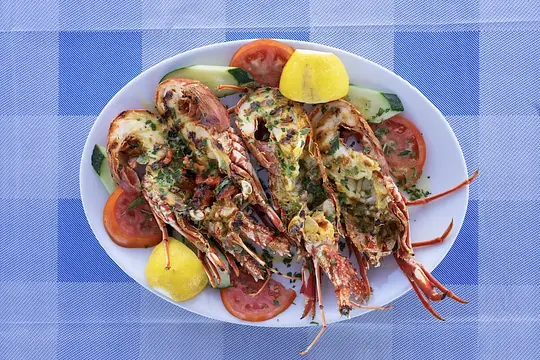
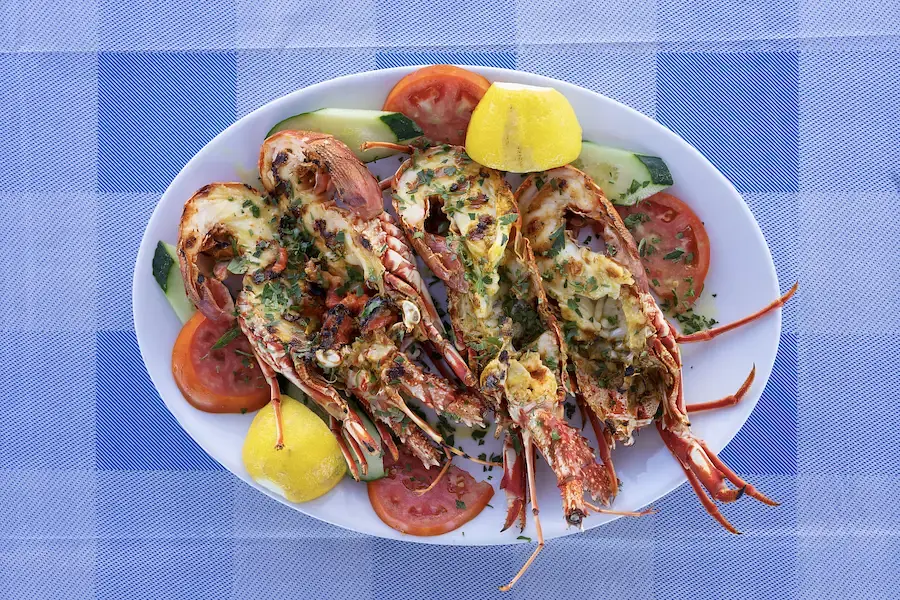
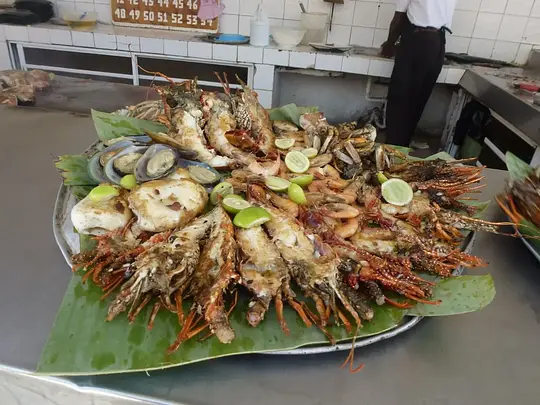
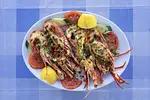
Caribbean spiny lobster - no claws, all tail. Grilled or in garlic sauce. Reality check: lobster is pricey everywhere in the DR, so it’s not street food. But beach restaurants near Isla Bonita serve fresh-caught tail at reasonable prices.
Lambí (Conch)
Chewy, tender, and good - stewed in creole sauce or fried crispy. Conch turns up all around the island, and a slow stew breaks down the toughness.
Tropical Fruit
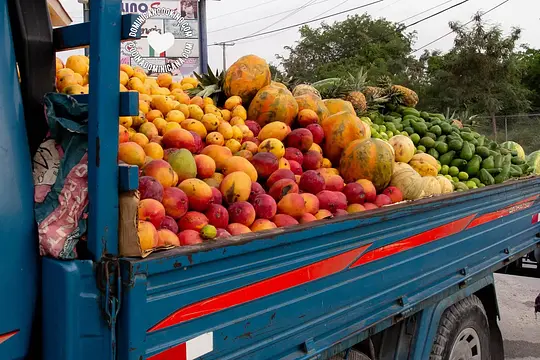
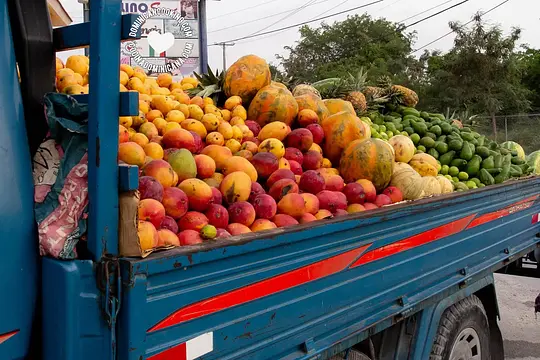
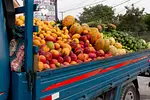
Markets here overflow with fruit in colors you didn’t know existed.
Worth seeking out:
- Chinola (passion fruit) - sweet-tart, incredible as juice
- Lechoza (papaya) - huge and sweeter than the supermarket kind
- Guineo (banana) - small and intensely sweet
- Mango - many varieties, peak April-July
- Piña (pineapple) - sold peeled on a stick, sprinkled with salt
- Coco (coconut) - fresh water straight from a machete-cracked shell
Beach vendors carry coolers of peeled pineapple, mango, and coconut. Pineapple with salt sounds wrong and tastes right - trust the locals on this one.
What Locals Drink
Morir Soñando
“Die dreaming” - orange juice, milk, sugar, ice, and vanilla. Citrus plus milk sounds like a curdled disaster, but done right it’s creamy, sweet, and refreshing, like a Dominican creamsicle. The trick: add milk to the ice first, then the juice slowly. Rush it and it curdles.
Coffee
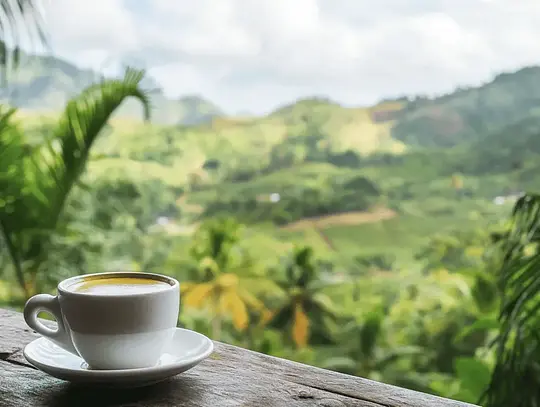
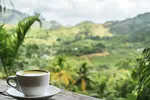
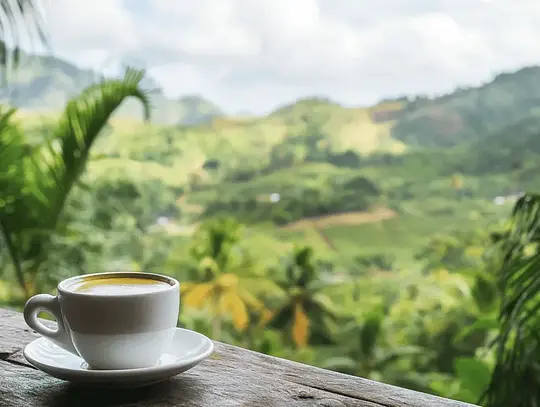
Strong and sweet, in small thick cups. Served at colmados, on street corners, and after meals - espresso-style shots that wake you up immediately.
Jugos Naturales
Fresh-squeezed juice everywhere: orange, passion fruit, pineapple, mango, tamarind, blended with water or milk and sweetened. Every comedor and colmado makes them to order.
Where to Find It
Colmado (Corner Store)
Part shop, part social hub - every neighborhood has a few. It’s where locals grab snacks, empanadas, coffee, fresh juice, and odds and ends. You walk up, order, and eat or drink outside while people stand around and watch the street.
Comedor (Local Eatery)
A family-run spot with a handwritten menu and plastic tables. Typical menu: La Bandera (always), sancocho (weekends), and whatever they cooked that morning. How to spot a good one: packed with locals at lunch.
Beach Vendors
Walking coolers of empanadas, chicharrón, fruit, and drinks, brought right to your towel. They walk the sand calling out what they’re selling - flag them down, and confirm the price first. On beach horseback rides and Isla Bonita trips, they’re part of the day.
Mercado (Market)
Fruit, vegetables, meat, and cheerful chaos - where locals buy ingredients. Puerto Plata’s main market is near Fort San Felipe; go early (7-9 AM) for the freshest produce. Buy fruit, coconuts, and vegetables; skip meat unless you’re cooking it right away.
Food Safety Tips
- Drink bottled water. The tap water isn’t dangerous, but your stomach isn’t used to it. Brush your teeth with bottled water the first few days.
- Ice is fine at established places (they use purified water). At street stalls, maybe skip it.
- Wash fruit yourself.
- Hot food is safe food. Freshly cooked is good; sitting out for hours is a risk.
- A comedor packed with locals is a safe bet. An empty one at lunchtime is a red flag.
- Street food is generally fine - empanadas, pastelitos, chicharrón are daily food for locals. If something looks off, trust your gut.
Is Dominican Food Spicy?
No. It isn’t spicy compared to Mexican or Thai cooking. The flavor comes from sofrito (onions, peppers, garlic, cilantro), not heat. You’ll find hot sauce on the table, but the base food is mild - some people add hot peppers to their own plate, but that’s personal, not the standard. Kids eat the same food as adults, which tells you everything.
Why It Works
It’s not gourmet and mostly not Instagram food. It’s what people eat when they’re hungry, celebrating, or home. Rice and beans give you energy, plantains fill you up, fried everything tastes great in tropical heat, and cold drinks make sense at 32°C.
After a morning waterfalls adventure or a run on the buggy trails, La Bandera at a roadside comedor isn’t just lunch - it’s the reset before afternoon beach time. The best food here isn’t fancy, it’s real, and after a week of it you’ll crave it back home.
Many of our excursions build in a stop for exactly this kind of food. Two good ones to pair with a proper Dominican meal - the city tour for market stalls and comedores, the buggy trails for a roadside La Bandera: