


Is Dominican Republic Safe for Tourists?
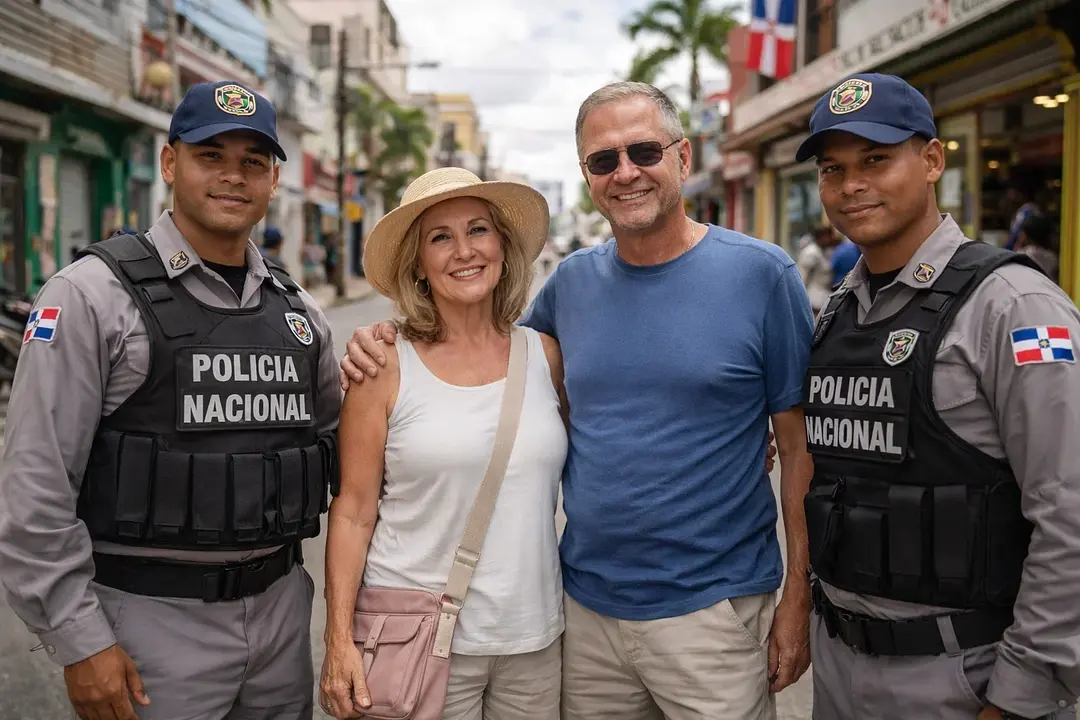
Here’s the honest answer from people who live here and run tours every day: yes, the Dominican Republic is safe for tourists - if you use the same common sense you’d use in Paris, London, or New York.
Let’s talk facts, not fear.
What the Numbers Actually Say
The Dominican Republic welcomed a record 11.7 million visitors in 2025 - more than the entire population of the country. It’s the most visited destination in the Caribbean, and tourism is the backbone of the economy.
Here’s what matters: tourist zones have noticeably lower crime than national averages. Puerto Plata, Punta Cana, and the resort areas have dedicated tourist police, a higher security presence, and local economies that depend on keeping visitors safe. The overwhelming majority of those millions of arrivals come and go without any incident.
What Actually Happens (and What Doesn’t)
Real risks tourists face:
- Petty theft (pickpockets in crowded areas, unattended bags on beaches)
- Taxi overcharging (tourists who don’t know local rates)
- Persistent beach vendors (not dangerous, just a bit much)
- Minor scams (inflated prices, fake tours)
What happens far less than the media suggests:
- Violent crime against tourists (very rare in tourist zones)
- Kidnappings (essentially non-existent in resort and tour areas)
- Drug-related violence affecting tourists (confined to specific non-tourist neighborhoods)
The gap between perception and reality is large. Most “dangerous Dominican Republic” stories come from neighborhoods tourists never visit - and shouldn’t.
What Causes Most Tourist Problems
Here’s what a lot of travel blogs skip: like any major destination, the Dominican Republic has an adult nightlife scene, and substances are around if you go looking for them. That’s not unique to the DR - the same is true in Cancun, Miami Beach, Amsterdam, or Bangkok.
The critical part: if you stay away from the sex trade and illegal substances, you avoid the large majority of situations where tourists get into serious trouble. The visitors who end up with real problems are almost always tied to one of those two things - robberies gone wrong, spiked drinks, scams targeting intoxicated tourists, legal trouble.
The practical takeaway: don’t engage with street dealers, don’t accept invitations to “private parties” from strangers, and skip sketchy bars in unfamiliar areas. Stick to legitimate entertainment and you’re fine. The tourists who have safe, great trips are the ones exploring waterfalls, beaches, and culture.
Puerto Plata and the North Coast
Puerto Plata is consistently one of the safer tourist regions in the country. On the ground:
Tourism-driven economy: the north coast runs on tourism, which means a visible police presence, well-kept tourist areas, and locals who understand that visitor safety is their livelihood.
Tourist police: you’ll see POLITUR (the tourist police) in resort zones, on beaches, and in popular areas. They speak English and exist specifically to help visitors, so they’re easy to find if you need them.
Community feel: unlike isolated resort complexes, Puerto Plata’s towns - Sosua, Cabarete, Puerto Plata city - have active local and expat communities. There’s a neighborhood atmosphere where people notice if something’s off.
Where tourists spend time:
- Sosua Beach and the central area - restaurants, bars, beach activities
- Cabarete - windsurfing hub, international crowd, beach-town energy
- Puerto Plata Malecon - the oceanfront promenade and historic fort
- Resort zones in Playa Dorada
- Tour destinations (waterfalls, ziplines, beaches)
Areas that aren’t tourist zones: every city has them, and your hotel staff will tell you which to skip. Simple rule: if you don’t see other tourists, you’re probably off track.
Want to know what to actually do here? See our Puerto Plata travel and excursions guide.
Safety on Tours and Excursions
This is where booking well matters: established tour operators provide safety infrastructure that a random beach vendor can’t.
Why established companies mean safer adventures:
- Trained guides who know the terrain and the risks
- Maintained equipment (life jackets, harnesses, helmets)
- Insurance coverage included
- Reliable transport (no sketchy taxi negotiations)
- Accountability - real businesses with reputations to protect
When you book the Damajagua waterfalls adventure, the zipline, or horseback riding, you’re booking with operators who do this every day - not someone’s cousin who “knows a waterfall.” The random guy on the beach offering a “tour” for $20 is where problems start.
Common Scams and How to Avoid Them
Taxi overcharging: the most common complaint. Official airport taxis can be pricey. Book hotel transfers in advance or use an app like Uber where it’s available. If you use Uber, confirm the price in the app before getting in - some drivers try to negotiate a higher cash rate “off-app.”
Fake tour operators: beach vendors selling “tours” that never materialize. Book online with established companies; no website and no reviews means walk away.
Pushy beach vendors: not dangerous, just persistent - everything from coconuts to massages. A firm “no, gracias” works, and they respect it.
Inflated prices: tourist areas charge tourist prices, which is normal everywhere. Learning basic Spanish numbers helps.
Practical Safety Tips That Actually Matter
Valuables: use the hotel safe. Don’t leave phones, wallets, or passports on the beach.
Transport: official taxis only. Motoconchos (motorcycle taxis) are cheap but riskier if you’re not used to them. Most tours include pickup and drop-off - use it.
ATMs: use ATMs inside banks during business hours, cover your PIN, and tell your bank you’re traveling.
Drinking water: bottled only. Most hotels provide it free, and tours include water. Don’t drink from the tap.
Beaches: riptides are real. Swim where others swim, and listen to lifeguards.
Solo travelers and women: same rules as anywhere - stick to tourist areas at night, don’t accept drinks from strangers, trust your instincts. Women traveling solo generally report feeling safe in Puerto Plata’s resort areas and on organized tours.
Need to know what to pack? Here’s what to bring for Dominican adventures.
Weather and Natural Risks
Hurricane season: June-November, peak August-October. Direct hits are rare, and when storms come, resorts and hotels have protocols. Check the forecast before booking.
Sun: the Caribbean sun is intense. SPF 50+, always.
Ocean: respect the water. If you’re not a strong swimmer, wear a life jacket on boat tours.
For the best time to visit weather-wise, see when to visit the Dominican Republic.
The Bottom Line
Is the Dominican Republic safe for tourists? Yes. Is it 100% risk-free? No place is.
The reality: millions visit safely every year. Use common sense, book professional tours, stay in tourist areas, and you’ll have a great time. The country offers waterfalls, beaches, mountains, culture, and adventures you won’t find elsewhere - don’t let fear-mongering headlines rob you of that.
Two safe, guided ways to start:
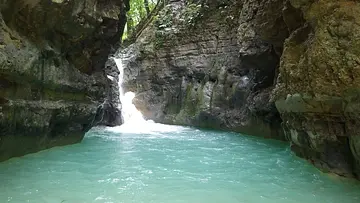
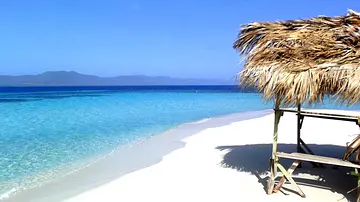
You can also fly the zipline over the jungle canopy or take a horseback ride along the beach, both with professional guides and equipment.
First time visiting? Start here: first-timer tips for the Dominican Republic.