

Que manger en République dominicaine
La cuisine dominicaine mêle des influences espagnoles, africaines et taïnos en une cuisine que les habitants mangent chaque jour. Du petit-déjeuner de mangú au plat national, La Bandera, voici quoi commander dans les comedores, les paillotes de plage et les stands de rue - les plats à essayer du matin au soir.
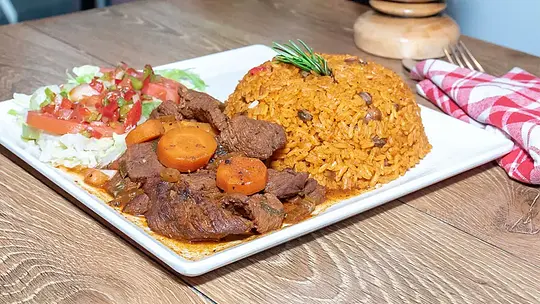
La Bandera - le plat national
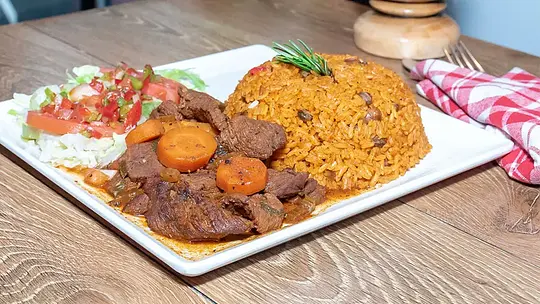
Riz, haricots, viande, salade - l’assiette qui arrive sur chaque table entre 13 h et 14 h.
Ce qu’elle contient :
- Riz blanc - léger et parfaitement cuit
- Haricots rouges mijotés au sofrito (poivrons, oignons, ail, coriandre) jusqu’à devenir crémeux
- Viande mijotée - souvent du poulet, parfois porc, bœuf ou poisson
- Salade fraîche - chou râpé, tomates, avocat
Parfois des bananes plantains frites, parfois du manioc. Toujours nourrissant.
Pourquoi c’est le plat national : la combinaison apporte protéines complètes, glucides et nutriments dans une seule assiette. Ouvriers agricoles, équipes de chantier, employés de bureau - tout le monde mange La Bandera à midi.
Où la trouver : dans n’importe quel comedor (une gargote locale). Cherchez les menus manuscrits et une salle pleine d’habitants.
Après une matinée sur les pistes en buggy dans les montagnes, les guides s’arrêtent aux comedores précisément pour ça.
Mangú et Los Tres Golpes - le petit-déjeuner dominicain
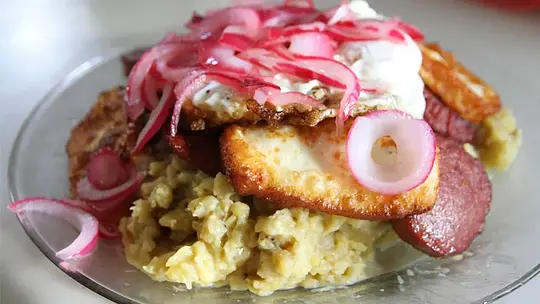
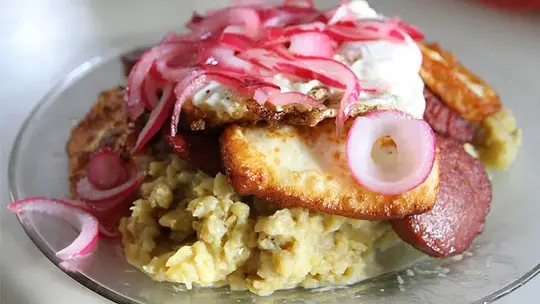
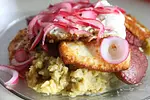
Purée de bananes plantains vertes garnie d’oignons rouges sautés au vinaigre, servie avec fromage frit, salami frit et œufs frits. Ça semble étrange, c’est excellent.
La formule : faire bouillir les plantains verts, les écraser au beurre et à l’eau, garnir d’oignons rouges marinés acidulés, puis ajouter “los tres golpes” (les trois coups) : fromage, salami, œufs.
Texture : comme une purée de pommes de terre mais plus dense, les oignons tranchant dans le côté riche.
Quand on le mange : chaque matin. Les endroits à petit-déjeuner le servent jusqu’à environ 11 h, puis passent à La Bandera.
Astuce : demandez plus d’oignons. C’est ce qui fait tout.
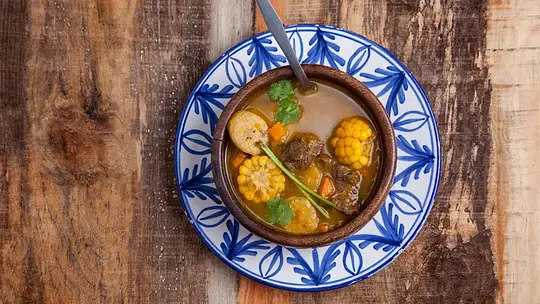
Sancocho - le ragoût des grandes occasions
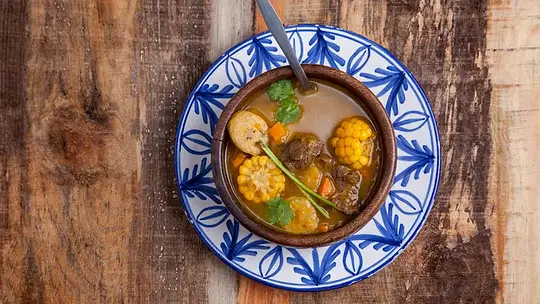
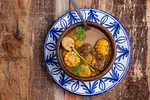
Un ragoût à sept viandes qui définit la cuisine maison d’ici - poulet, porc, bœuf, chèvre, ce qu’il y a, plus manioc, plantains, maïs et yautía (taro), le tout mijoté des heures jusqu’à ce que tout se défasse.
Quand on le prépare :
- Les dimanches
- Les fêtes
- Les lendemains de fête
- Quand la grand-mère vient
Pourquoi il est spécial : il faut trois à quatre heures minimum - on ne le presse pas. Le bouillon devient incroyablement riche quand le collagène des os se défait. Servi avec du riz blanc et de l’avocat à côté, et un trait de citron vert dessus.
Où le trouver : marchés du week-end, adresses familiales, partout où c’est marqué “Sancocho Domingo” (sancocho du dimanche).
La street food qui vaut le détour
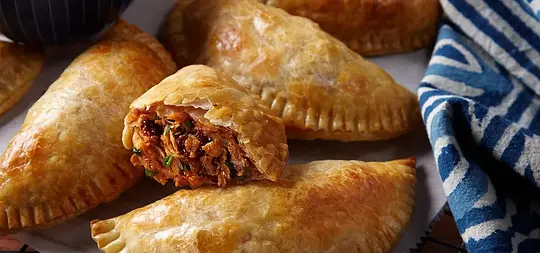
La street food ici n’est pas raffinée. C’est frit, rapide, vendu à des fenêtres et des charrettes de plage - et c’est parmi le meilleur que vous mangerez.
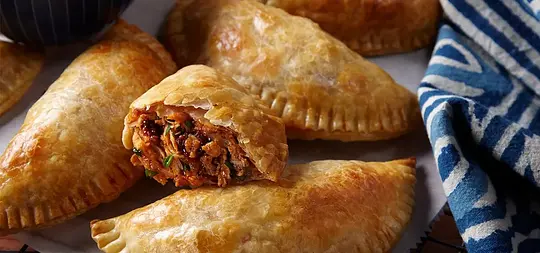
Empanadas et pastelitos
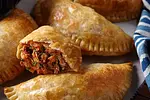
Chaussons de pâte frite fourrés de bœuf haché, fromage, poulet ou pâte de goyave. La différence : les empanadas en pâte de blé, les pastelitos en pâte de manioc (plus croustillants). Vendus partout - vendeurs de plage, colmados (épiceries de coin), stands de bord de route. La fournée fraîche bat la vieille, alors demandez “¿Están calientes?” (sont-ils chauds ?).
Yaroa
Le cadeau de Santiago aux noctambules, de la pure street food. Des couches de frites, puis bœuf haché ou poulet, fromage, ketchup/mayo/moutarde et encore du fromage, servi dans une barquette en mousse et mangé à la fourchette en plastique. Ça a exactement le goût qu’une nourriture de fin de soirée doit avoir.
Chicharrón
Morceaux de viande frite, en deux versions : chicharrón de cerdo (porc) et chicharrón de pollo (morceaux de poulet frit). Vendu au poids, avec tostones ou yuca frita à côté.
Après une balade à cheval au coucher du soleil, les vendeurs de plage sortent le chicharrón de pollo de glacières, et sur le sable il a un autre goût.
Fruits de mer - droit sortis de l’océan
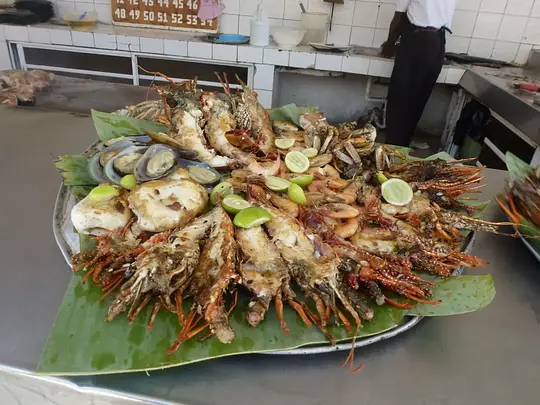
Puerto Plata est une ville côtière, donc le poisson frais est partout.
Pescado Frito
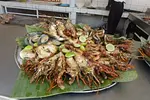
Poisson entier frit, souvent vivaneau rouge ou tilapia, à la carte de chaque restaurant de plage. Frit croustillant et servi avec tostones, riz et salade. À la dominicaine : mangez tout, nettoyez les arêtes - la tête a la meilleure chair.
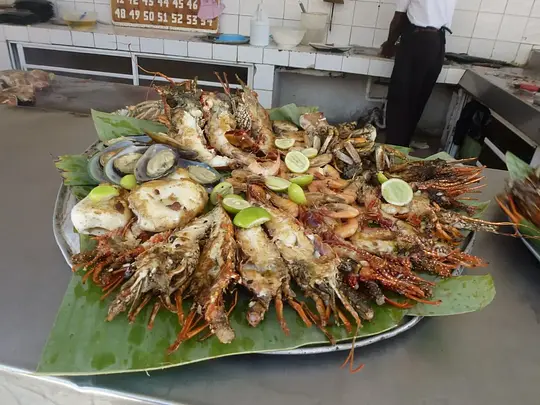
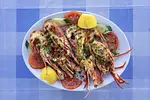
Langosta (langouste des Caraïbes)
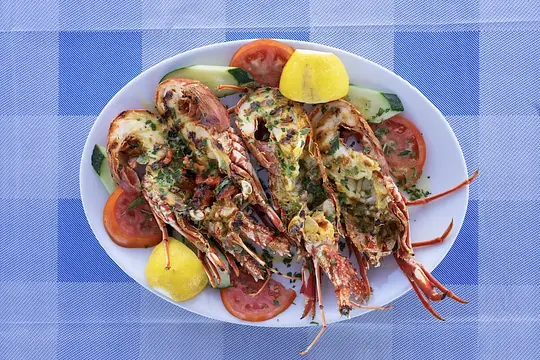
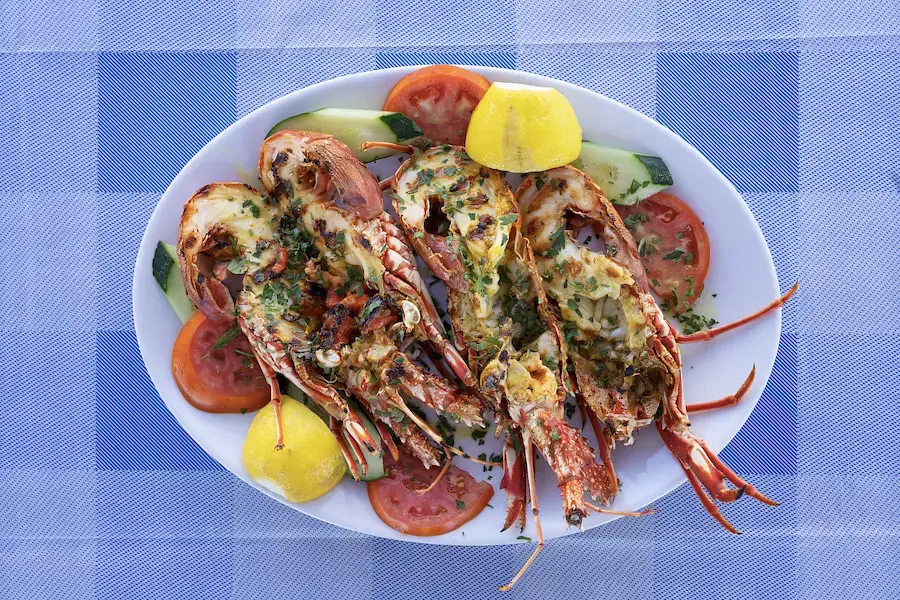
Langouste des Caraïbes - pas de pinces, que la queue. Grillée ou en sauce à l’ail. Petit rappel : la langouste est chère partout en RD, ce n’est pas de la street food. Mais les restaurants de plage près d’Isla Bonita servent de la queue fraîchement pêchée à des prix raisonnables.
Lambí (lambi)
Ferme, tendre et savoureux - mijoté en sauce créole ou frit croustillant. Le lambi se trouve partout sur l’île, et un mijotage lent vient à bout de sa fermeté.
Fruits tropicaux
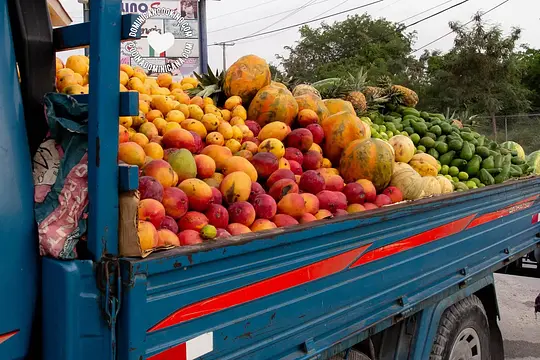
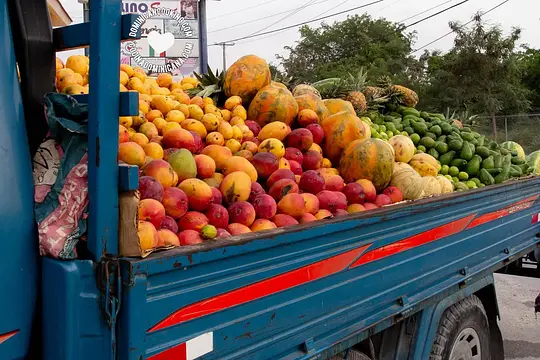
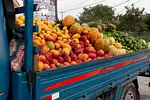
Les marchés ici débordent de fruits aux couleurs que vous ne soupçonniez pas.
À chercher absolument :
- Chinola (fruit de la passion) - aigre-doux, incroyable en jus
- Lechoza (papaye) - énorme et plus sucrée que celle du supermarché
- Guineo (banane) - petite et intensément sucrée
- Mangue - plusieurs variétés, pleine saison d’avril à juillet
- Piña (ananas) - vendu pelé sur un bâton, saupoudré de sel
- Coco (noix de coco) - eau fraîche directement d’une coque ouverte à la machette
Les vendeurs de plage transportent des glacières d’ananas, mangue et coco pelés. L’ananas au sel semble faux et a bon goût - faites confiance aux gens du coin.
Ce que boivent les habitants
Morir Soñando
“Mourir en rêvant” - jus d’orange, lait, sucre, glace et vanille. Agrumes plus lait, ça sonne comme un désastre caillé, mais bien fait c’est crémeux, doux et rafraîchissant, comme un esquimau dominicain. L’astuce : d’abord le lait sur la glace, puis le jus doucement. Trop vite, et ça caille.
Café
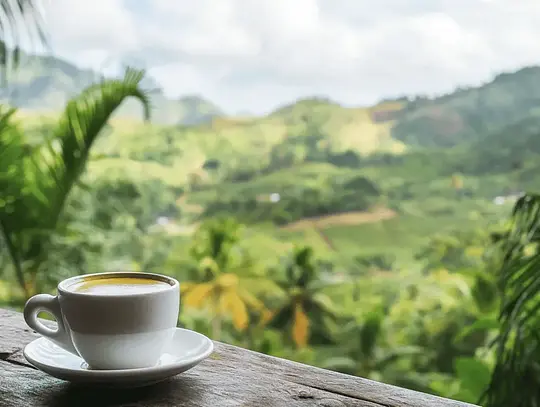
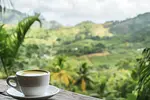
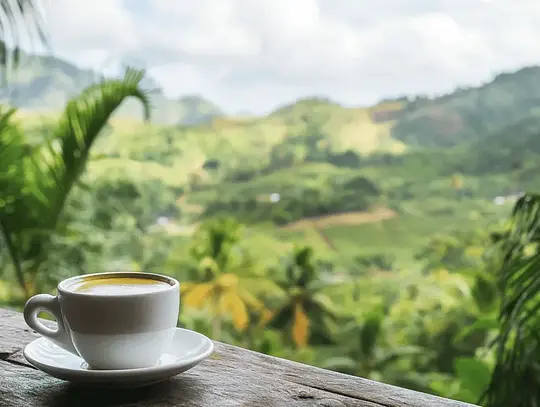
Fort et sucré, en petites tasses épaisses. Servi dans les colmados, aux coins de rue et après les repas - des shots façon espresso qui réveillent aussitôt.
Jugos Naturales
Pressés minute partout : orange, fruit de la passion, ananas, mangue, tamarin, mixés à l’eau ou au lait et sucrés. Chaque comedor et colmado les fait sur le moment.
Où le trouver
Colmado (épicerie de coin)
Mi-boutique, mi-lieu de rencontre - chaque quartier en a quelques-uns. C’est là qu’on prend snacks, empanadas, café, jus frais et bricoles. On s’approche, on commande, on mange ou boit dehors pendant que les gens traînent et regardent la rue.
Comedor
Une adresse familiale au menu manuscrit et aux tables en plastique. Menu type : La Bandera (toujours), sancocho (le week-end) et ce qu’ils ont cuisiné ce matin-là. Comment repérer un bon : plein d’habitants à midi.
Vendeurs de plage
Glacières ambulantes d’empanadas, chicharrón, fruits et boissons, jusqu’à votre serviette. Ils arpentent le sable en criant ce qu’ils vendent - hélez-les et confirmez le prix d’abord. Lors des balades à cheval sur la plage et des sorties à Isla Bonita, ils font partie de la journée.
Mercado (marché)
Fruits, légumes, viande et joyeux chaos - là où les habitants achètent les ingrédients. Le marché principal de Puerto Plata est près de la forteresse San Felipe ; allez-y tôt (7-9 h) pour le plus frais. Achetez fruits, noix de coco et légumes ; laissez la viande sauf si vous la cuisinez tout de suite.
Conseils de sécurité alimentaire
- Buvez de l’eau en bouteille. L’eau du robinet n’est pas dangereuse, mais votre estomac n’y est pas habitué. Brossez-vous les dents à l’eau en bouteille les premiers jours.
- La glace, c’est bon dans les endroits établis (ils utilisent de l’eau purifiée). Aux stands de rue, mieux vaut peut-être s’abstenir.
- Lavez les fruits vous-même.
- Nourriture chaude = nourriture sûre. Fraîchement cuit, c’est bon ; laissé des heures, c’est un risque.
- Un comedor plein d’habitants est un pari sûr. Vide à midi, c’est un signal d’alerte.
- La street food est généralement sans souci - empanadas, pastelitos, chicharrón sont le quotidien. Si quelque chose semble louche, fiez-vous à votre instinct.
La cuisine dominicaine est-elle épicée ?
Non. Elle n’est pas épicée comparée à la cuisine mexicaine ou thaïe. La saveur vient du sofrito (oignons, poivrons, ail, coriandre), pas du piquant. Il y a de la sauce piquante sur la table, mais la base est douce - certains ajoutent du piment dans leur assiette, mais c’est personnel, pas la norme. Les enfants mangent la même chose que les adultes, et ça dit tout.
Pourquoi ça marche
Ce n’est pas gastronomique et le plus souvent pas de la nourriture Instagram. C’est ce que les gens mangent quand ils ont faim, quand ils fêtent, quand ils sont chez eux. Le riz et les haricots donnent de l’énergie, les plantains rassasient, tout ce qui est frit est excellent sous la chaleur tropicale, et les boissons froides prennent tout leur sens à 32°C.
Après une matinée d’aventure aux cascades ou un tour sur les pistes en buggy, La Bandera dans un comedor de bord de route n’est pas qu’un déjeuner - c’est le reset avant la plage de l’après-midi. La meilleure nourriture d’ici n’est pas raffinée, elle est vraie, et après une semaine vous la regretterez chez vous.
Beaucoup de nos excursions prévoient un arrêt pour exactement ce genre de nourriture. Deux bonnes à associer à un vrai repas dominicain - le city tour pour les étals du marché et les comedores, les pistes en buggy pour une Bandera de bord de route :