


Деньги в Доминикане: валюта, обмен, банкоматы
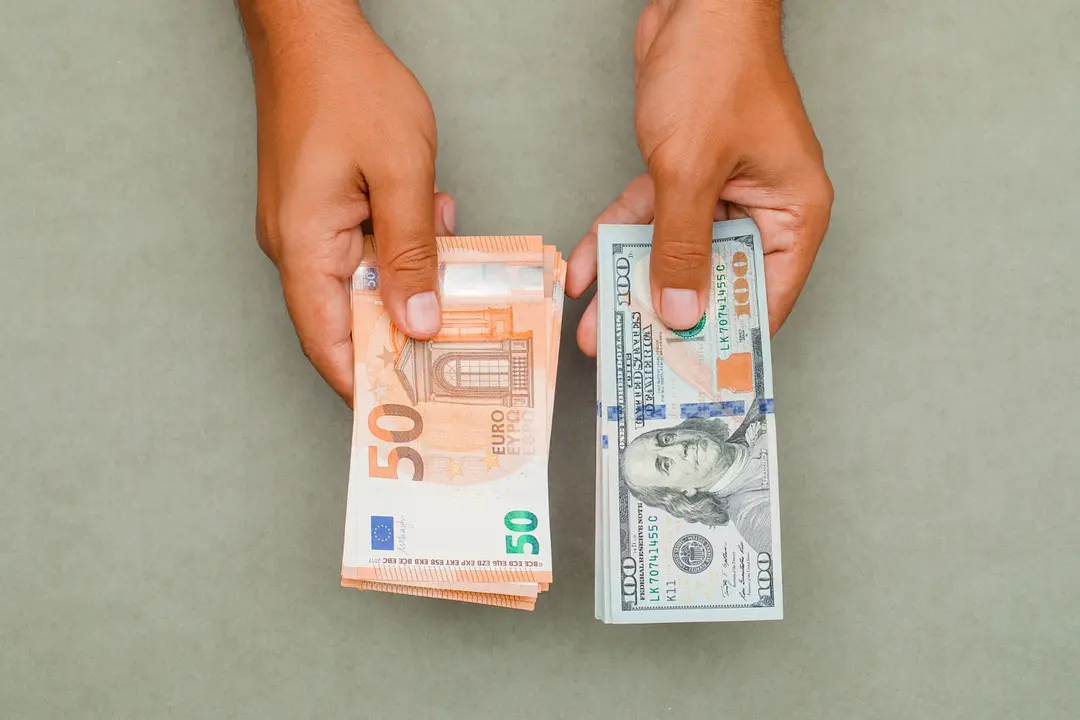
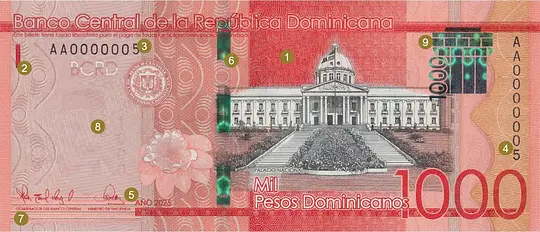

Валюта Доминиканской Республики - доминиканское песо (DOP), но долларом США здесь можно расплатиться почти везде: туры, такси, отели, сувениры. Вопрос не «примут ли доллары», а «по какому курсу» - и вот тут есть нюансы, которые сэкономят вам заметную сумму за поездку.
Текущий курс песо к доллару, евро и рублю смотрите на нашем конвертере валют - он обновляется ежедневно. А в этой статье разберём практику: с какими деньгами ехать, где менять, где снимать и чем платить в разных ситуациях.
| Вопрос | Коротко |
|---|---|
| Валюта | Доминиканское песо (DOP, RD$) |
| Курс | ~60 песо за 1 USD, точный - на конвертере |
| Знак $ | Цены в песо тоже пишут через $ - уточняйте |
| Принимают ли доллары | Да, почти везде; сдачу дадут в песо |
| Карты | Супермаркеты, рестораны, отели - да; часто и в колмадо; рынки и гуагуа - наличные |
| Где менять | Casas de cambio - лучший курс; аэропорт - худший |
| Банкоматы | Комиссия RD$200-300 за снятие + комиссия вашего банка |
| Наличных в день | $50-100 на человека вне отеля |
Валюта: доминиканское песо
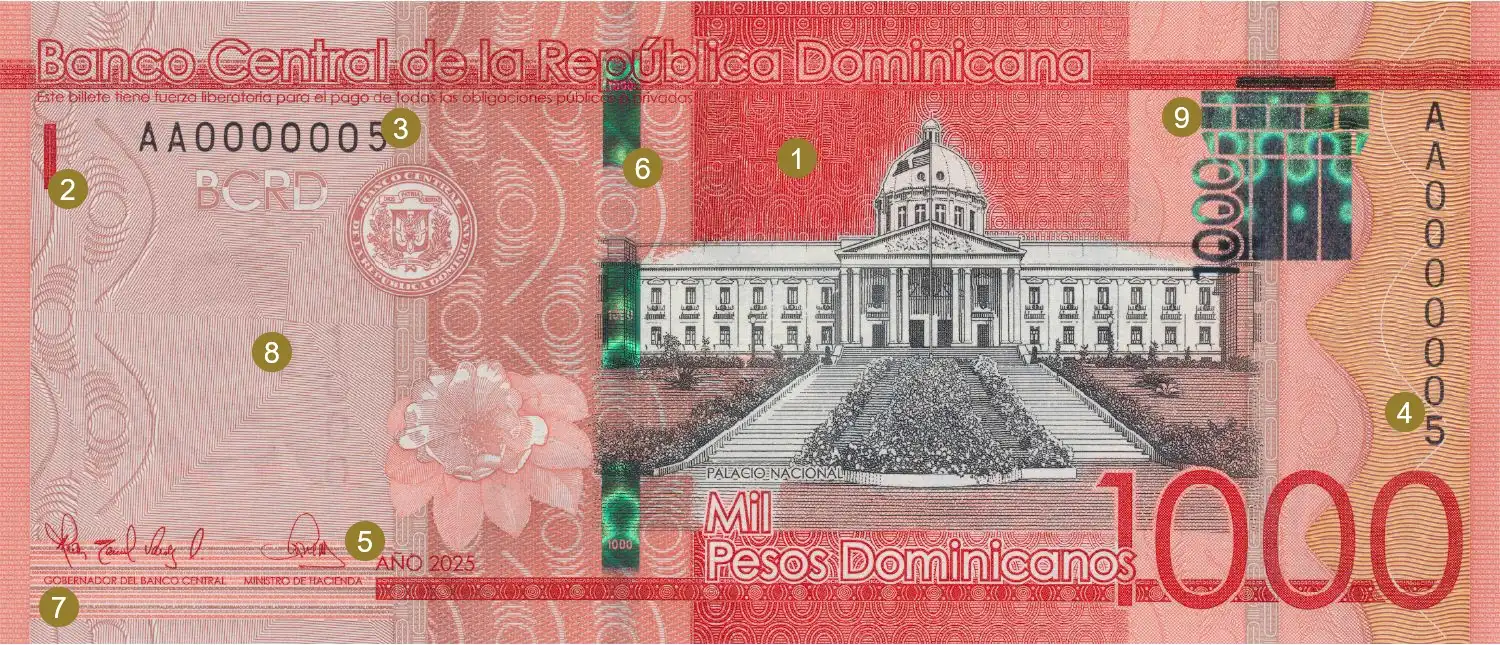
Песо обозначается RD$ или просто $ - и это главная ловушка для туриста. Ценник «$500» в местном магазине - это 500 песо, а не долларов. Если сомневаетесь, спрашивайте: «песо о долярес?» - вопрос здесь привычный.
Курс плавающий, ориентир - около 60 песо за доллар, но он меняется. Перед поездкой и на месте сверяйтесь с конвертером: там живой курс USD, EUR, CAD и RUB к песо и таблицы пересчёта популярных сумм.
Евро и канадские доллары в туристических зонах тоже меняют без проблем. Рубли - нет: обменять их в Доминикане практически негде, везите доллары или евро.
Доллары или песо: чем платить
Рабочая схема простая: крупные траты - в долларах, мелкие - в песо.
Доллары уместны там, где суммы заметные: экскурсии, трансферы, аренда, счёт в туристическом ресторане, отель. Наши туры, например, оплачиваются наличными водителю в день поездки - USD или песо, как вам удобнее.
Песо нужны для всего мелкого и местного: колмадо (местный мини-маркет на углу), гуагуа (маршрутка), фрукты у дороги, уличная еда, мелкие чаевые. Во многих колмадо сейчас принимают и карты, но рассчитывать на это не стоит - наличные песо решают всегда. Долларовую купюру там могут взять, но сдачу посчитают в песо и по своему курсу - обычно не в вашу пользу.
Купюры и монеты
Купюры песо: 50, 100, 200, 500, 1000 и 2000. Монеты: 1, 5, 10 и 25 песо.
Практический момент: с купюры 2000 песо в колмадо или у таксиста сдачи может не быть. При обмене просите разбить сумму мелкими - «билетес пекеньос» - и держите запас сотен и двухсоток.
С долларами обратное правило: купюры должны быть целыми и чистыми. Рваные, мятые, подклеенные и старые серии здесь принимают неохотно или не принимают вовсе - проверьте наличные до вылета.
Где менять деньги
По выгодности курса, от лучшего к худшему:
Casas de cambio - обменные пункты. Обычно лучший курс и без очередей. Работают в любом городе, в туристических зонах - на каждом шагу. Табло с курсами висит снаружи - легко сравнить несколько.
Банки - Banco Popular, Banreservas, BHD. Курс чуть хуже обменников, зато надёжно. Понадобится паспорт, будьте готовы к очереди. Часы работы - примерно 8:00-17:00 по будням, по субботам до обеда.
Отели - удобно, но курс заметно хуже. Вариант на крайний случай.
Аэропорт - худший курс в стране. Если нужны песо сразу по прилёте, поменяйте минимум - на такси и первые мелочи, остальное в городе.
Квитанцию об обмене сохраняйте: с ней проще обменять остаток песо обратно перед вылетом.
Банкоматы
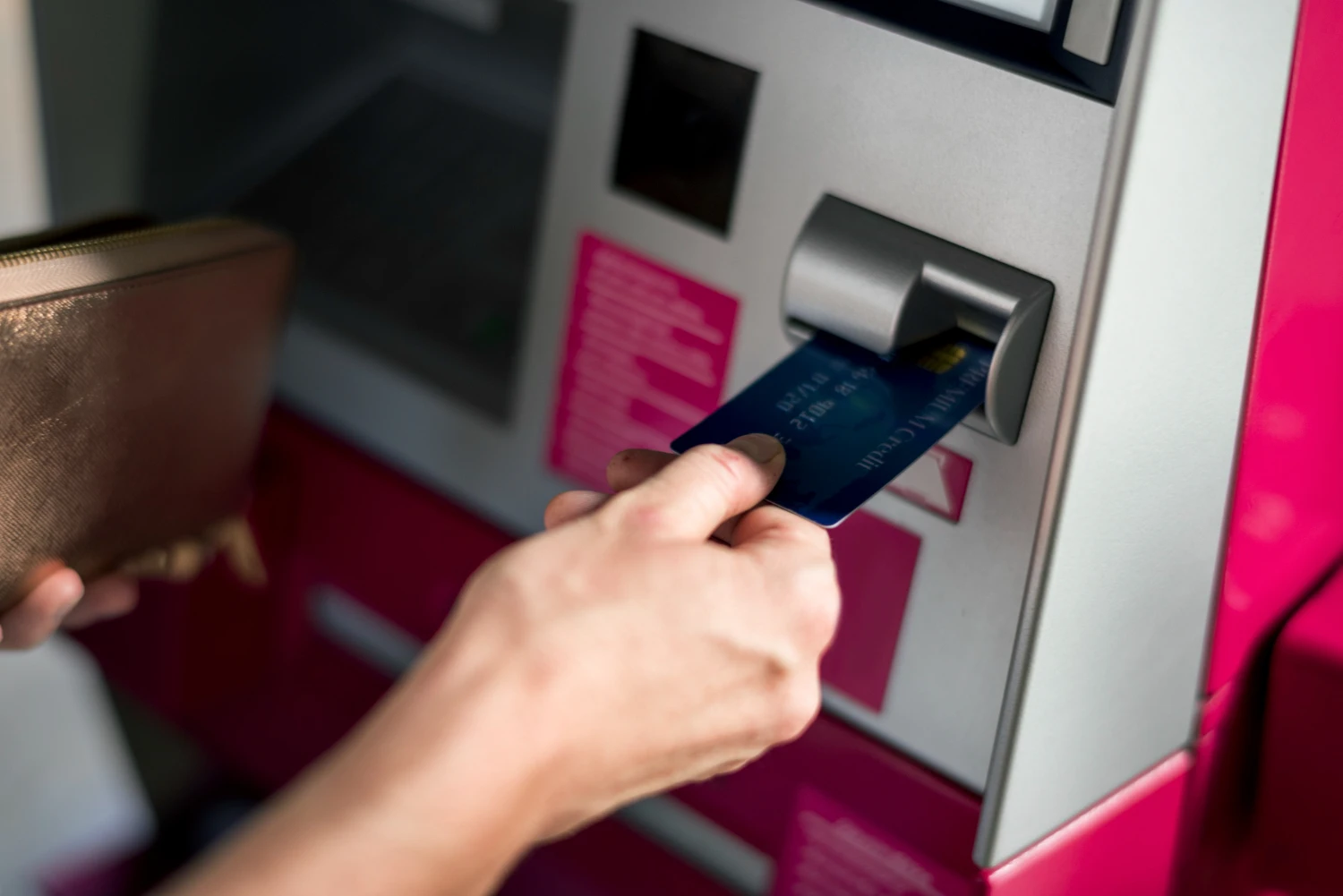
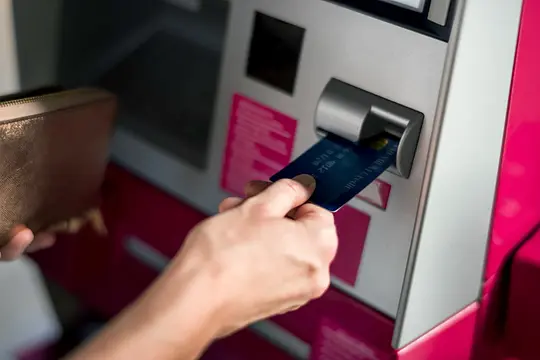
Банкоматы (cajeros) есть у отделений банков, в супермаркетах La Sirena, торговых центрах и на заправках. Снимают песо с международных карт Visa и Mastercard.
Считайте комиссию: местный банк берёт RD$200-300 за операцию, ваш банк добавит свою комиссию за снятие за рубежом. Лимит на одно снятие - обычно RD$10000-20000 в зависимости от банка, так что выгоднее снимать реже и крупнее.
По безопасности: выбирайте банкоматы внутри отделений банков и супермаркетов, а не одиночные уличные. Снимать деньги ночью на пустой улице - плохая идея в любой стране.
Карты
Международные карты Visa и Mastercard принимают в супермаркетах, сетевых ресторанах, отелях, аптеках и на заправках. Всё чаще терминалы есть и в колмадо, но это лотерея: в одном примут, в соседнем - нет. Рынки, гуагуа и пляжные торговцы - только наличные.
Если терминал предлагает списать сумму в долларах вместо песо - выбирайте песо. Это называется DCC (dynamic currency conversion), и курс пересчёта там всегда хуже, чем у вашего банка.
Предупредите свой банк о поездке заранее, чтобы первая же оплата в Доминикане не заблокировала карту.
Сколько денег брать
Ориентир на человека в день вне отеля: $50-100 покрывают еду в кафе, транспорт, мелкие покупки и чаевые. День с экскурсией - плюс её стоимость. Подробная раскладка по ценам - в статье сколько стоит отдых в Доминикане, а цены на транспорт - в гиде по передвижению.
Весь запас наличных с собой не носите: дневную сумму - в кошелёк, остальное - в сейф отеля.
Чаевые
В ресторанах к счёту автоматически добавляют 10% за обслуживание (propina legal) - это не чаевые официанту, а требование закона. Сверх этого принято оставлять 5-10% за хороший сервис, наличными. Кому, сколько и когда - подробно в нашем гиде по чаевым.
Безопасность
Правила простые и работают везде:
- Не показывайте всю пачку наличных при оплате - держите мелкие отдельно
- Разделите деньги: часть в кошельке, часть в другом кармане или сумке
- Основной запас наличных и документы - в сейфе отеля
- Сфотографируйте карты с обеих сторон и запишите телефон банка на случай блокировки
Доминикана - не опасная страна, но демонстрировать деньги не стоит нигде. Больше о спокойном отдыхе - в статье безопасно ли в Доминикане.
Вопросы по поездке?
Планируете отдых в Доминикане - посмотрите наши туры по всей стране. Вопросы по оплате, ценам и программам - пишите в WhatsApp, отвечаем быстро и по делу.